
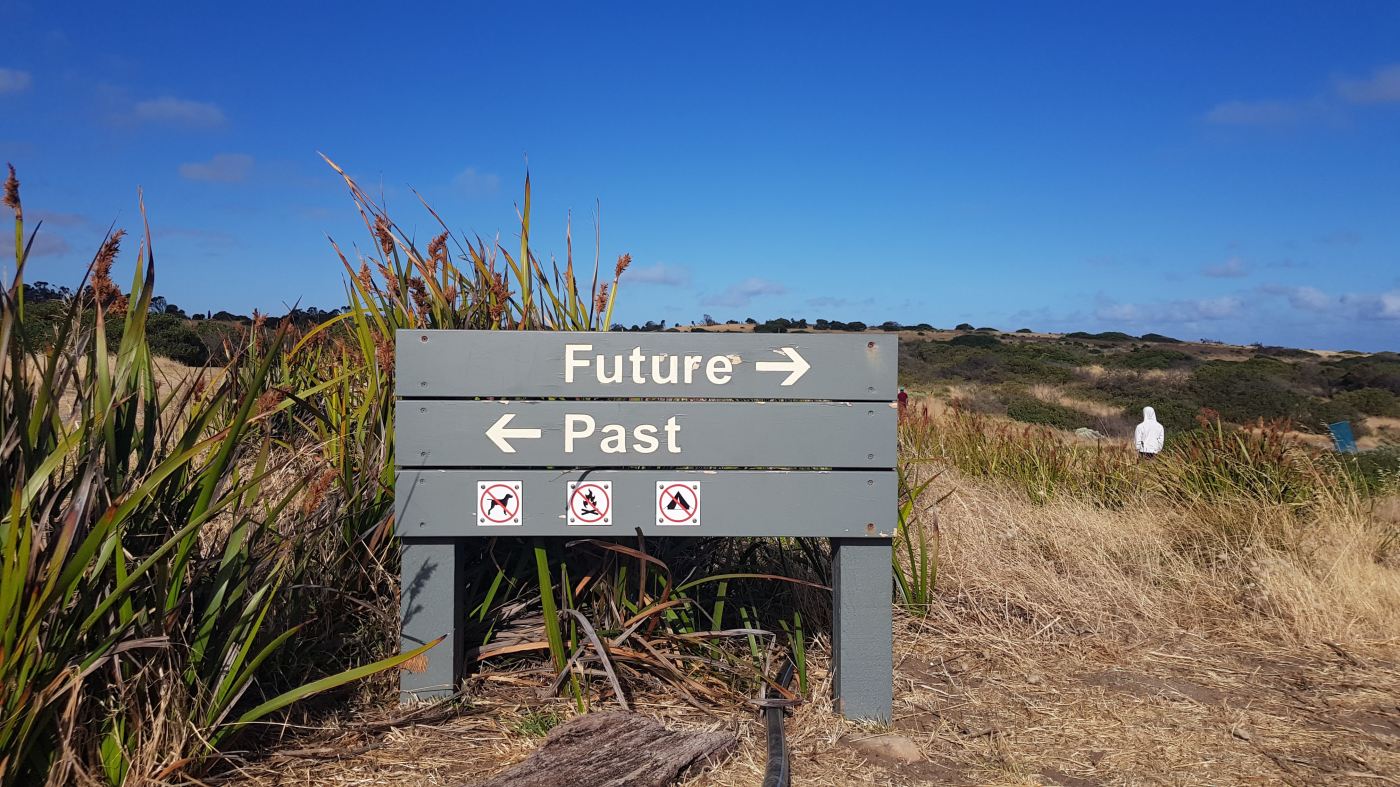

The nature of Northern Ireland is that we have two communities, one looking to the future with growing optimism, the other with only pessimism.
There is no argument that Nationalism is on the rise. The evidence is overwhelming, as seen in elections and polls, the past is being left behind and the association of Sinn Fein with the IRA has little resonance with a new generation that has had no experience of the Troubles. In Ireland the doors are opening for SF as a result of the short-sighted negative politics of the conservative Fianna Fail and Fianna Gael.
One of the driving features of human endeavour is having ambition, a target, goals. Nationalism can look to the future and see an end, success, a United Ireland. That in itself fuels the support, but it is also aided by the complete change in Ireland over the past twenty-five years, from a country with laws driven by Catholicism to a modern pluralist socially liberal environment, building on being European, not an appendage to the United Kingdom, economically.
Unionism has none of these attributes. There are no goals, no vision, no future that does not include the outcome they fear most, a United Ireland.
And this is totally as a result of their ongoing inability to envision a Northern Ireland that is modern, dynamic and fair, for all. Unionism could have taken a different path, at almost every stage of the past one hundred years, yet every time a leader was deemed to have strayed from the path of righteousness they were brought down, by the extremes.
These extremes will be seen by historians as the core drivers of a United Ireland.
Central to their misunderstanding of Northern Ireland has been the inability to make any effort to understand the nationalist mindset.
Take a moment and think about how it must have felt to be Catholic in Northern Ireland in 1922. Ireland had been a country, an island, and a single entity for hundreds of years. The demand for Home Rule was being met. And then, the nationalists in the six counties of Northern Ireland were excluded from the country of their birth. The freedom from British rule was not to be theirs. They could look from Derry to Donegal and see people that had been neighbours in the same country now being separated by a border.
Imagine if the Unionists who had successfully bartered for the partition of Ireland had recognised this and made an effort to soften the blow for Nationalists who had been left behind in the home rule free state stakes.
But that didn’t happen, in fact it was the reverse. Gloating winners, the Unionists made life worse for the Nationalists, reminding them every day why they wanted to be part of a United Ireland. Jobs in government, local councils, the law and private business were allocated on the basis of religion. Electoral fairness, which was in the initial treaty for the creation of Northern Ireland was dismissed, and proportional representation disappeared.
Not one single effort was made to accommodate the nationalist community, every time a Unionist politician made a small gesture, they were attacked and maligned, which goes on to the present day.
It could have been so different.
Had Unionism had leadership that could see further than the end of their noses, they would have realised that there were hundreds of thousands of disaffected people living in Northern Ireland and made an effort to engage and involve them in building a successful state.
It would probably not have changed the ambition for a United Ireland, but it would not have reinforced it, with sectarian divisions and discriminatory government investment. The siting of the second University at Coleraine was another example of short-sighted negative politics.
And so to today.
What is the vision for Unionism? What do they see as the future for NI? The current thinking could be a hundred years old. We want, we want, we want. Acts of Parliament over two hundred years old are cited to try to determine the future in 2023. Rulings of the UK Supreme Court are disregarded, Parliamentary majorities ignored. Not one party is coming out and painting a picture of a future that is not hidebound by constitutional angels dancing on the heads of pins. Not one Unionist Party has the nerve to put their head above the Loyalist barricades and talk about a NI that is prosperous, dynamic, and above all inclusive in words and actions. Not one can even make a gesture towards nationalism.
So, what is coming our way? A United Ireland, probably not in my lifetime, but certainly in that of my children. And who will have created the circumstances for that change? Unionists, the club that will not allow entry to anyone who brings new thinking. A club that is aligned with an organisation that if it had the same regulations barring relationships with people of different ethnicity, would be outlawed in the GB they so want to mirror.
So I will tell you where I sit. I would prefer a Northern Ireland that was modern dynamic and prosperous. A Northern Ireland that took change as the mantra, with secular education, and was innovative in a way that a small country can be, by moving quickly in a tech world. I have family in the South, but feel socially closer to people here, with friends brought up in many different places and cultures. I believe that NI could be an economic powerhouse that works for Ireland and GB, attracting businesses from across the globe.
It is not going to happen. But we live in a democracy and I am free to think for myself.
 Thinking about Things...
Academic Professor Padraig O’Malley would likely agree with you, making a similar observation in his book, Perils and Prospects of a United Ireland:
https://www.goodreads.com/book/show/61312193-perils-and-prospects-of-a-united-ireland
He sees a pivotal role that Alliance Party supporters and others have from a younger generation (who are more concerned about their own livelihoods in whichever constitutional arrangement).
LikeLike