
Advertising doesn’t work.
I’ve been told that by hundreds of people over the years when I told them what I did. Except that they would be wearing branded clothes, driving a branded car, having branded groceries in cupboards and the ‘fridge, travelling on branded airlines, using branded phones and making all sorts of choices based on the knowledge accrued from marketing and advertising.
Advertising does work, just not how you think it does. It is all about building awareness of brands so that when you are in the market for a product or service, you know about them. At this moment you are not interested in a dishwasher unless yours has broken down. You see the ad, and it whooshes past you, unnoticed until your Hotpoint starts to flash at you and the kitchen gets flooded. Then you recall the ad, and when you go to Currys, you know which brands to trust when you are buying. If I ask you now, I bet you could name three brands of dishwashers you might buy. Have you any idea how they work, what the components are, and where they are built? Unlikely.
Advertising works the opposite way from what you think. The product reminds you of the ad, not the ad of the product. When you do the supermarket shop, you pick up brands that you recognise, because you know them from the advertising. If Isay Walker’s Crisps to you who comes to mind?
And it occurred to me that politics is the same.
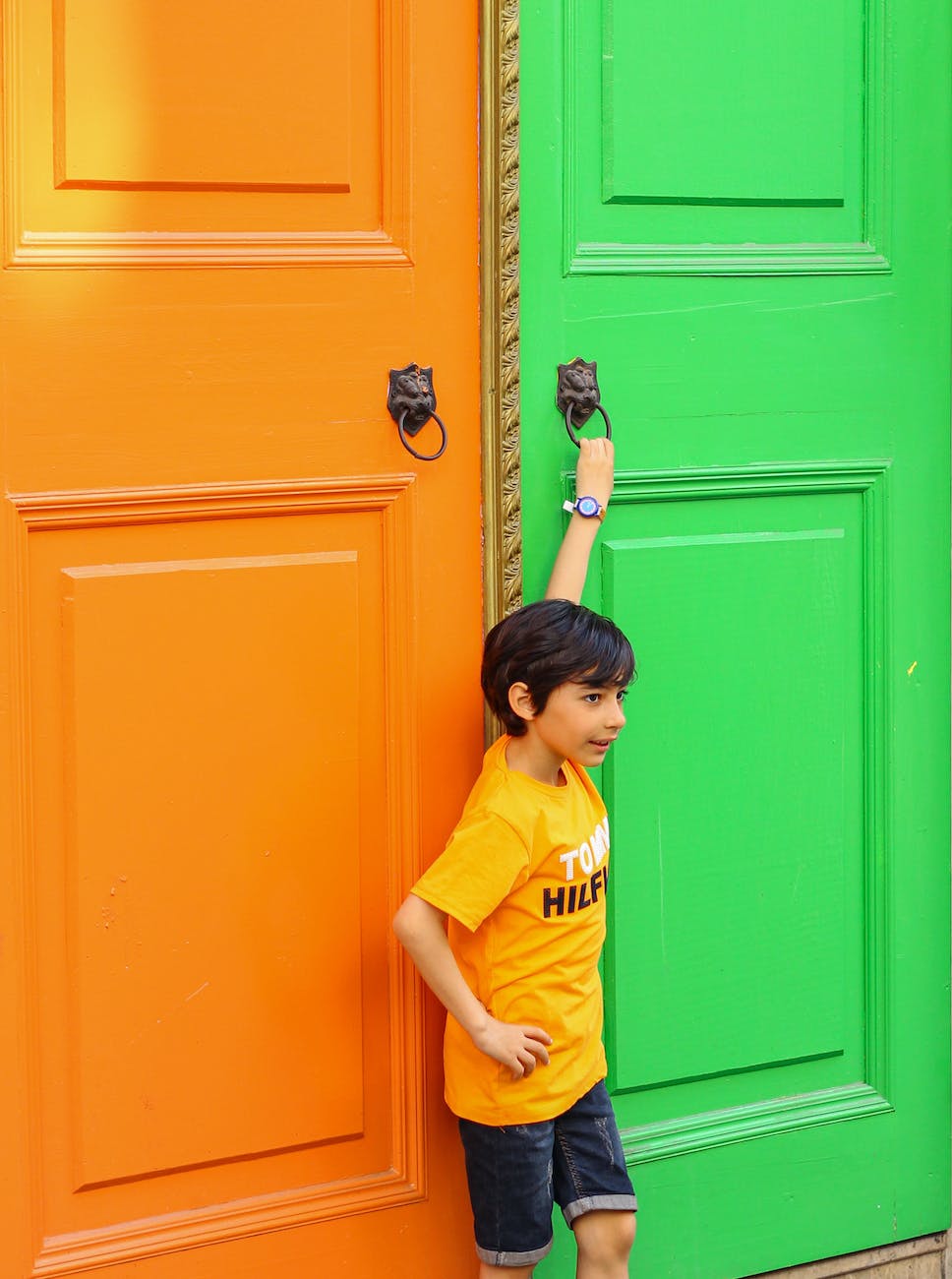
We are inclined to think that Northern Ireland is riven with green and orange thinking. That we are all going around with our green or orange views or trying not to have green or orange as a driving force. And when politics is discussed it is there, like Gary Lineker with his Walker’s Crisps. Mention politics and our minds go to that place in our brains.
But the reality is, we are not driven by green and orange.
The vast majority of us have lives that are motivated by just about anything other than politics. When we get up for work, we are thinking about what we have to do, what’s on today, where we need to be and are we ready for the day?
We go through our lives working with people of different religions, ages, genders, backgrounds and experiences. We get on buses and trains not thinking about our fellow passengers’ politics or identity. We meet people in bars and chat about stuff. I meet a Liverpool fan and the banter begins, me having followed United for 50 years. Currently, there are people siding with or against Harry Windsor. We have lots of ideas and positions to take on economics, people, films, television programmes, music, and a lot more. None of those choices is green and orange.
But then someone says something about the DUP or SF, and we are off to the races. Choices that were made for us as children kick in, just like the football team we decided to support at the age of ten. Immediately our own brand becomes dominant. Are we Irish, are we British, are we Northern Irish? The political debate is limited to the brand values that we have adopted, like preferring Coke to Pepsi. And often, we don’t even challenge our own thinking.
Beanz Meanz Heinz? But have you ever taste-tested the bean market, or do you just accept it because that’s what you believe?
Most of the population of Northern Ireland does not bother with politics most of the time, The only time they take an interest is when something happens, or they are watching or listening to the news and current affairs. Yes, we listen to Nolan, and some, like me, get engaged on Twitter. But most don’t. They move on, listen to music, text a friend, go to the shops, and live their lives.
The people who run businesses are focused on making it work, getting new customers, and increasing turnover. They will sell to and buy from anyone, anywhere, if it will help their business. People work alongside colleagues whom they may fundamentally disagree with politically, but nearly 100% of the time it doesn’t come up, because it is not worth the hassle. It is not that important!
So who benefits from orange and green?
Politicians.
They are the brand ambassadors for the maintenance of division. They get elected by using their brands, be it Sinn Fein or the DUP. They tap into the brand awareness of the market and use it to get elected. They feed the comfort factor of a voter, who believes that they must be right because they are the packaged goods being put on the shelf by the party that they buy. So when it comes to an election people revert to trusting those that they believe are going to represent them, in politics, and politics in NI is orange and green, us against them.
It is like when you go to your local Chinese takeaway, with the intention to try something new, you look at the menu, are tempted to go for beef in black bean sauce, but you have never tried it, and at the last minute, when you are asked what you want, “Sweet and sour chicken and fried rice please.” One of three that you have eaten for years, know you will like, and is risk-free.
So are we sectarian? Or are we only sectarian when we are engaged in politics? If over 90% of our lives are not political and are about work, sport, family, friends etc, is it the nature of how our politics are presented that creates the problem. 90% of the time we are not sectarian or bigoted, or even thinking about politics. The media puts everything into the orange and green camps for their questions, and asks within an orange and green framework about things that should not be either? Keeping the identity pot boiling so that the politicians we know about and vote for are identity politicians?
We need to change our politics so it is not about winning, one side of orange or green achieving dominance. Make it about changing the story, and putting real issues at the top of the agenda. People, poverty, the economy, education, and health. It’s about moving on from orange and green, as brands that dominate our thinking, when we are in the political market, but which are not the real drivers of our lives.
Surely we should be voting on the 90% issues, not the 10%, and we should work at not being sold the same brand over and over no matter what is in the tin.
 Thinking about Things...
Reading this article reminded me of a political marketing paper I presented at University College Cork some years ago, focussing on the Alliance Party: https://mrulster.com/wp-content/uploads/2023/01/LEONARD-Allan-19980917-UCC-Think-Different.pdf
My paper was written without the imagination of social media, and Alliance performance has recently improved. But I’m curious to learn your response to any element of the paper. Happy to take this offline.
LikeLike
I will have a look and revert thanks
LikeLike